
The war in Ukraine - research
Russia’s full-scale invasion of Ukraine has led to a significant deterioration in the security situation in Sweden’s neighbouring region. As a result, Ukraine’s security and its right to self-defence are of immense importance to both Sweden and our NATO allies.

FOI has long been closely monitoring developments in Russia and Ukraine, but our research efforts intensified after the invasion. This research involves several fields, including strategic communication, cyber defence, the use of new technology, and in-depth studies of Russia.
On this page, we have collected a selection of articles that shed light on the war and its consequences from various perspectives.
Russian attacks on Ukraine´s power system
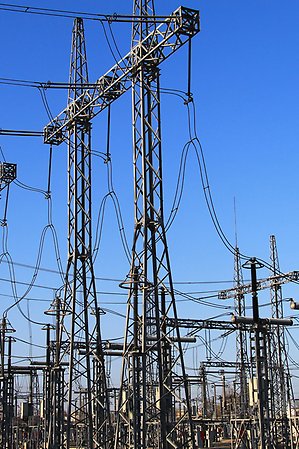
In a recent report, FOI researchers examine how Ukraine has managed to keep its power system mostly operational, despite extensive attacks since October 2022. Russia has used thousands of missiles and drones to target critical infrastructure, causing major power outages. However, Ukraine’s preparations, experience from the conflict since 2014, and the robust design of its Soviet-era power system have helped it recover quickly. Effective coordination between energy companies, the military, and law enforcement has enabled authorities to prioritise repairs and protect repair teams.
The report also highlights the importance of air defence, international support, and Ukraine’s connection to the European electricity grid. Air defence has prevented many attacks from reaching critical infrastructure, while international financing and access to generators have helped maintain electricity supplies during outages.
Report: Experiences from Ukraine's volunteers
The report examines how Ukrainian NGOs coordinated support for people affected by Russia’s full-scale invasion, based on interviews conducted in autumn 2024. It identifies two main methods: formal coordination clusters for sharing information and resources, and informal communication through platforms such as Whatsapp, Telegram, and Signal. Personal networks enable rapid, flexible responses but also create challenges with sustainability, resources, and cooperation with international aid organizations. New actors have emerged to connect informal volunteer groups with established organizations. The report concludes that Sweden’s civil defense planning should strengthen communication and coordination through existing social and organizational networks to better support volunteers.


Many myths surround Russia’s cyberwarfare against Ukraine
Prior to the full-scale invasion, there were fears that Russia’s cyberwarfare capabilities alone would be enough to defeat Ukraine. That’s not what happened. A new report by an FOI researcher presents five hypotheses to explore this.
The War against Ukraine – Trench warfare with new technology
In a development unexpected by experts, the character of Russia’s war against Ukraine has evolved into something akin to the trench warfare of World War I, although with modern technology.


Russia’s use of religion for military purposes
The Russian-Orthodox Church and the Russian regime have become increasingly close. Nowadays, the church is used for propaganda purposes, as a platform for intelligence operations, and to promote soldier morale, despite only a minority of Russians being religious.